In 2025 we set out to redesign our community engagement and servicing approach to make sure we connect with and support our communities in the best way possible.
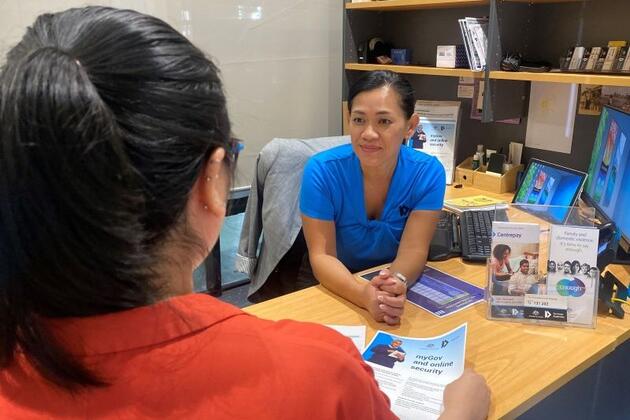
We have a strong history of community engagement. Our community specialists and social workers form bridges between the agency, community organisations and customers. Customers can work with specialists or community organisations to understand support available, getting help from those they trust.
Over the last year, we collaborated with the community sector to enhance our current approach and make sure our support across government and community partners is easy to navigate, inclusive and consistent.
As part of the Community Engagement and Servicing Redesign project, we conducted workshops, surveys and one-on-one interviews to understand current challenges and future needs of community servicing. We listened to over 200 community organisations and peak bodies.
We heard from:
- Aboriginal and Torres Strait Islander communities
- culturally and linguistically diverse communities
- youth agencies
- organisations supporting people with disability
- LGBTQIA+ community representatives
- organisations supporting older Australians
- homelessness groups and those supporting people experiencing vulnerability
- health and care services
We asked: What do you need from Services Australia now and into the future?
We used insights from these activities to understand the challenges and emerging needs of communities. We distilled what they told us into six themes and held more workshops with community organisations to find out: Is this the approach we want for future servicing?
We’ve refined our model based on this feedback and will pilot early in 2026 within 3 communities.
From our new Community Servicing Model, communities can expect to see that we:
- are clear and consistent about how and where our specialists work
- ensure our services are culturally responsive
- prioritise safety and are guided by local needs
- focus on building a visible, trusted network of community partners to support our mutual customers
- provide more support to our staff so they can better support customers in community settings.
We’ll use what we learn from the pilot to build a consistent approach to servicing within local communities, along with seamless and responsive outcomes for people who rely on community specialist officers for extra support.